
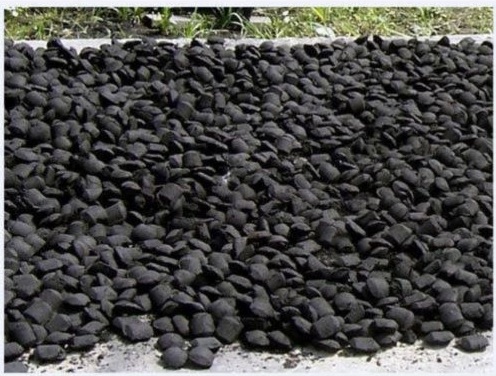
Charcoal from Indonesia – Indonesia is one of the leading producers and exporters of charcoal in the world. Large forests are found throughout the country, and they are a rich source of raw materials for the production of charcoal. For many years, Indonesia’s main export was charcoal, which had a huge economic impact on the country.
Charcoal production in Indonesia is associated with many environmental and social issues. For example, illegal logging has led to deforestation and destruction of natural habitats. In addition, the traditional way of producing charcoal, which involves burning wood in open pits, releases a lot of smoke and other dangerous gases into the atmosphere.
The Indonesian government and local organizations are working to promote sustainable practices in the coal industry. These initiatives aimed to reduce the negative environmental impact of charcoal production and ensure that regional communities benefit from the sector.
The Modern Method to Making Charcoal from Indonesia
The introduction of modern, more efficient furnaces is one of the key steps in promoting sustainable practices in the coal industry. Compared to traditional charcoal production methods, these stoves use less wood and emit less harmful gases and smoke. This made the coal industry more sustainable and less harmful to the environment.
The Indonesian government has also passed a law to support sustainable forest management practices. These laws limit the amount of wood removed from each region and require businesses to obtain permits before logging.
The local population of Indonesia derives great economic benefit from the coal industry. Many of those who work in this sector are small farmers who make a living selling charcoal. The government and local communities support these growers and ensure they can continue to make a living by promoting sustainable practices in the sector. Indonesia’s coal industry has contributed to increased employment and economic development in rural areas. This has helped reduce poverty and stimulate economic growth in many places.
Conclusion
In addition, there are initiatives in Indonesia and other countries to promote the sustainable use of charcoal. For example, several industries produce charcoal from coconut shells, which is a more sustainable and renewable source of raw materials. This has helped reduce the environmental impact of charcoal production and promote sustainable practices in the sector.
In conclusion, Indonesia’s coal industry has historically been associated with social and environmental issues. However, major initiatives have been taken in recent years to support sustainable business practices and ensure that business benefits society. These initiatives included the promotion of sustainable charcoal production, the use of more efficient stoves, and laws that support sustainable forest management. Supporting sustainable charcoal production in Indonesia allows us to reduce the industry’s negative environmental impact while supporting the country’s regional communities.
You may like to read the article about Woven Coir Geotextiles in Roads to Strengthen the Soil Base