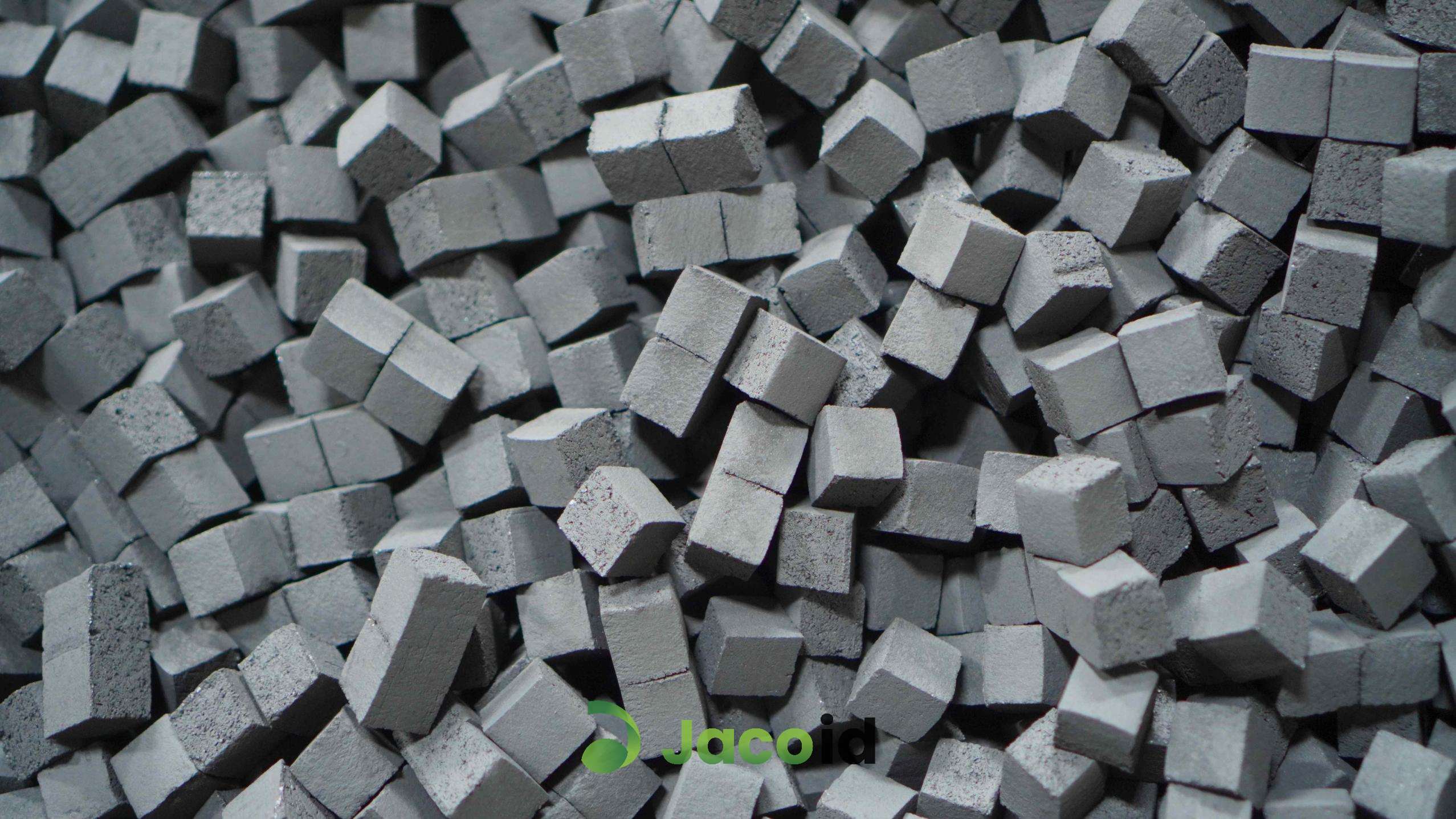
As the world continues to seek sustainable energy solutions, global charcoal distribution has become a crucial component in meeting the increasing demand for eco-friendly fuel alternatives. Charcoal, particularly in the form of briquettes, offers a viable and efficient option for both domestic and industrial applications. This blog delves into the intricacies of global charcoal distribution, its benefits, challenges, and the role of exporters in ensuring a steady supply chain.
The Importance of Global Charcoal Distribution
Charcoal has long been a preferred fuel source due to its high energy content and versatility. In recent years, the focus has shifted towards more sustainable and efficient forms of charcoal, such as briquettes. These briquettes are made from compressed charcoal dust and biomass, providing a cleaner and more consistent burn compared to traditional lump charcoal. Global distribution of charcoal briquettes ensures that this valuable fuel source reaches markets around the world, promoting sustainable energy practices on a larger scale.
Benefits of Charcoal Briquettes
- Efficiency and Consistency: Charcoal briquettes burn longer and more evenly than traditional charcoal, making them ideal for cooking, heating, and industrial use.
- Environmental Impact: By utilizing waste materials like sawdust, coconut shells, and other biomass, charcoal briquettes help reduce deforestation and promote the recycling of organic waste.
- Economic Opportunities: The production and export of charcoal briquettes create jobs and stimulate economic growth in producing regions, particularly in developing countries.
- Reduced Emissions: Modern production techniques for charcoal briquettes generate less smoke and harmful emissions, contributing to better air quality and a lower carbon footprint.
Challenges in Global Charcoal Distribution
Despite the numerous benefits, global charcoal distribution faces several challenges:
- Logistics and Transportation: Efficiently transporting charcoal briquettes across international borders requires careful planning and coordination. Shipping costs, customs regulations, and logistical hurdles can impact the overall efficiency of the distribution process.
- Quality Control: Maintaining consistent quality standards is crucial for meeting international market demands. Variations in raw materials and production methods can affect the performance of charcoal briquettes, making quality control a significant challenge.
- Market Access: Gaining access to international markets requires navigating complex trade regulations and establishing reliable distribution networks. Exporters must also contend with competition from other fuel sources and local producers.
- Sustainability Concerns: Ensuring that charcoal production remains sustainable involves adhering to environmental regulations and implementing responsible sourcing practices. This can be particularly challenging in regions where regulatory frameworks are weak or enforcement is lax.
The Role of Charcoal Exporters
Charcoal exporters play a pivotal role in addressing these challenges and ensuring the successful global distribution of charcoal briquettes. Their responsibilities include:
- Sourcing and Production: Exporters must establish reliable supply chains for raw materials and oversee the production process to ensure high-quality briquettes.
- Logistics Management: Coordinating the transportation and delivery of charcoal briquettes to international markets requires expertise in logistics and a thorough understanding of trade regulations.
- Quality Assurance: Implementing rigorous quality control measures ensures that the charcoal briquettes meet international standards and customer expectations.
- Market Development: Exporters work to identify new markets and establish distribution networks, promoting the benefits of charcoal briquettes to potential customers around the world.
- Sustainability Initiatives: Leading exporters prioritize sustainable practices, such as sourcing raw materials from certified suppliers and investing in environmentally friendly production technologies.
Conclusion
Global charcoal distribution is a complex but essential component of the sustainable energy landscape. By overcoming logistical, regulatory, and quality control challenges, charcoal briquette exporters like JACOID can ensure that charcoal briquettes reach markets worldwide, promoting cleaner and more efficient fuel alternatives. As demand for sustainable energy solutions continues to grow, the role of charcoal briquette exporters will become increasingly important in supporting global efforts to reduce carbon emissions and promote environmental stewardship.
Choosing reputable charcoal briquette exporters who prioritize sustainability and quality, such as JACOID, can make a significant difference in achieving these goals. By supporting these exporters, businesses and consumers can contribute to a more sustainable future, where efficient and eco-friendly energy solutions are accessible to all. Embrace the potential of global charcoal distribution and join the movement towards a cleaner, greener world.