Yogyakarta offers much more than temples, heritage, and scenic attractions. The city also has a strong culinary identity shaped by Javanese traditions and local ingredients. This Yogyakarta Local Food Guide highlights several dishes and food experiences that travelers should try during their visit.
Try Gudeg, Yogyakarta’s Signature Dish
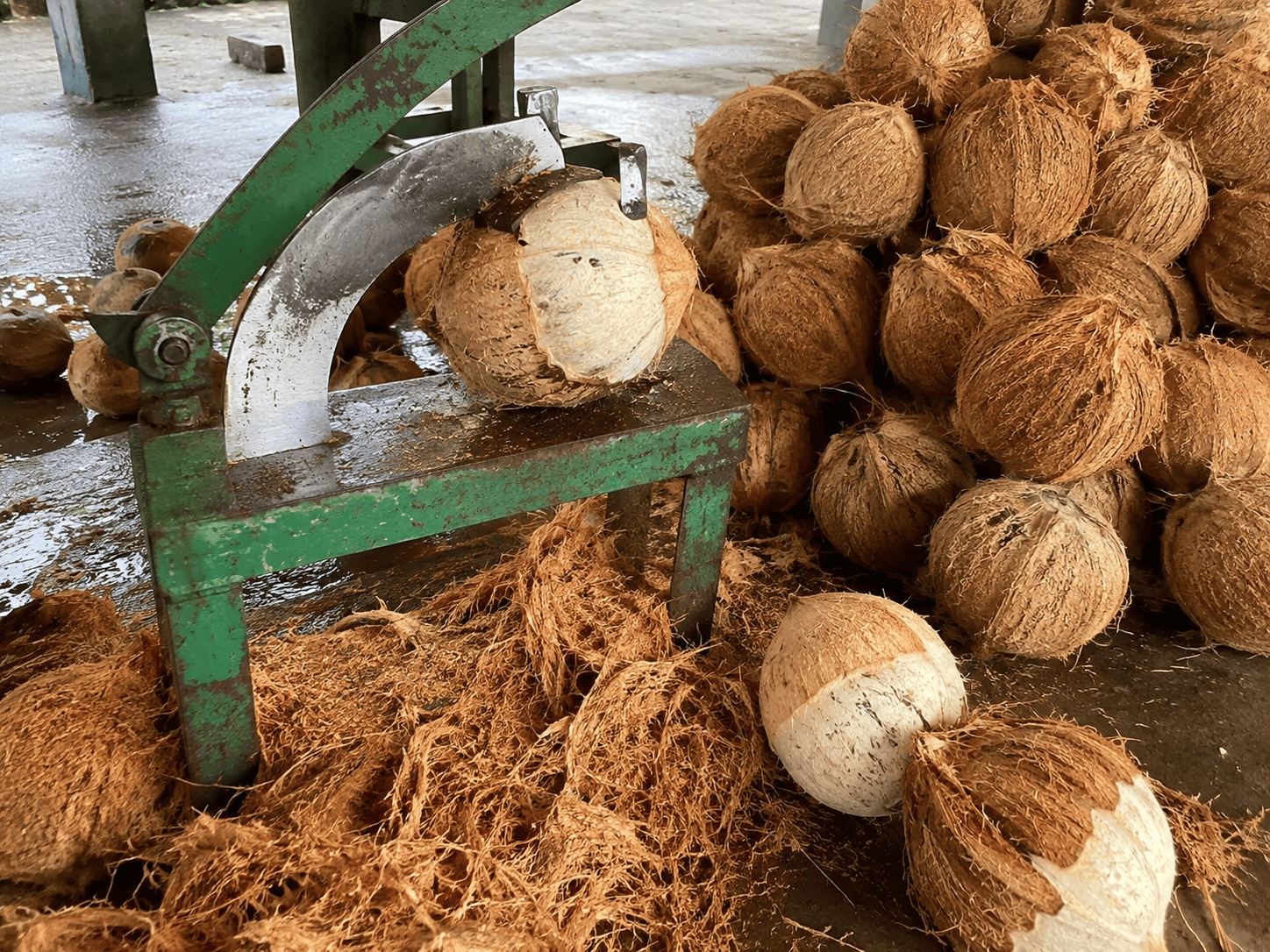
Gudeg stands as one of the most famous foods in Yogyakarta. Local cooks prepare young jackfruit with coconut milk, palm sugar, and spices.
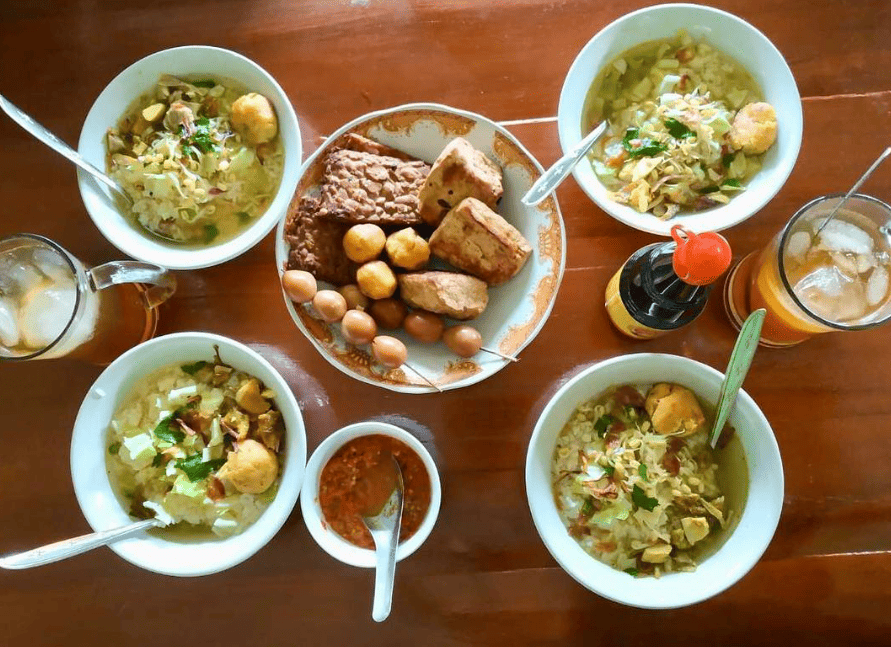
Restaurants usually serve gudeg with rice, chicken, egg, tofu, tempeh, and spicy krecek. The combination creates sweet, savory, and spicy flavors on one plate.
The Wijilan area near Keraton Yogyakarta offers many popular gudeg restaurants. Travelers can easily combine a meal here with a visit to the royal palace or Taman Sari.
Taste Sate Klathak
Sate klathak offers another distinctive local food experience. Cooks grill goat meat on metal skewers rather than traditional bamboo sticks.
The simple seasoning allows the meat flavor to remain strong. Many restaurants serve sate klathak with a light curry-style broth and rice.
Travelers can find many sate klathak restaurants in Bantul. Evening visits work well if you want to combine dinner with attractions south of central Yogyakarta.
Enjoy Bakpia as a Local Snack
Bakpia makes an easy snack during a day of sightseeing. These small pastries usually contain a sweet filling inside a soft outer layer.
Traditional bakpia often uses mung bean filling. Modern versions also come with chocolate, cheese, coffee, and other flavors.
Travelers often buy bakpia as a souvenir because shops pack it in convenient boxes. The Pathuk area remains closely connected with this popular Yogyakarta snack.
Experience Angkringan Culture
Angkringan stalls give visitors a relaxed way to experience local dining. These small roadside stalls offer rice portions, skewers, fried snacks, and hot drinks.
Travelers can sit with local residents and enjoy simple food in an informal setting. Many angkringan stalls stay active in the evening.
Kopi joss also adds another local experience. Vendors serve coffee with a hot piece of charcoal, creating one of Yogyakarta’s most recognizable street drinks.
For broader travel inspiration, read this Yogyakarta tourism guide to culture, heritage, nature, and unforgettable experiences. It can help you combine culinary stops with other attractions.
Explore Traditional Markets
Traditional markets offer a closer look at everyday food culture. Vendors sell fruit, spices, snacks, drinks, and ready-to-eat meals.
Travelers can try foods such as lupis, cenil, jadah, and other traditional sweets. Visit in the morning if you want more choices and a livelier atmosphere.
Markets also provide opportunities to observe local routines and interact with vendors.
Try Local Javanese Meals
Yogyakarta also offers many smaller dishes beyond its famous specialties. Travelers can try brongkos, oseng mercon, nasi kucing, and traditional vegetable dishes.
Local restaurants often serve simple meals with strong regional flavors. Ask staff about spice levels if you prefer milder food.
Trying several small dishes can give you a broader understanding of local food culture.
Plan Your Culinary Journey
Group food stops by area to reduce travel time. Combine Wijilan with Keraton, or visit Bantul when you plan attractions in southern Yogyakarta.
Private transportation also makes distant food stops easier to reach. Explore private Yogyakarta tours with local drivers if you want to combine food experiences with temples, markets, cultural sites, and natural attractions.
Conclusion
This Yogyakarta Local Food Guide introduces travelers to gudeg, sate klathak, bakpia, angkringan, traditional markets, and other Javanese dishes. Each food reveals a different part of the city’s culinary identity. With good planning, local meals can become some of the most memorable experiences during your Yogyakarta trip.